
 Descargar número completo
 Download full issue
CITE THIS WORK
Boyero Moreno P, Muñoz García-Borruel M, Rosón Rodríguez PJ, Jiménez García VA, Rodríguez Téllez M. Treatment of Zenker's diverticulum using ZPOEM: short-term and long-term results. RAPD 2025;48(6):210-214. DOI: 10.37352/2025486.1
List of abbreviations
ZD: Zenker's diverticulum, FES: flexible endoscopic septotomy, Z-POEM: Zenker's diverticulum peroral endoscopic myotomy.
Introduction
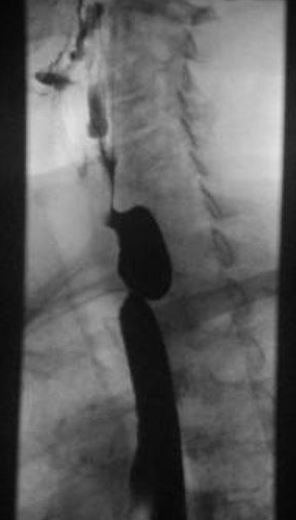
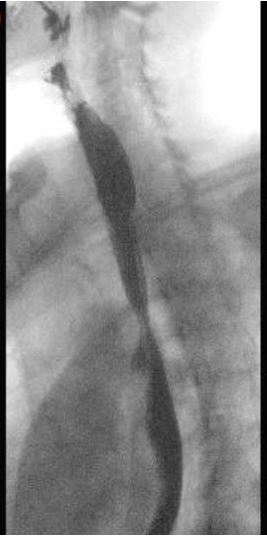
Zenker's diverticulum (ZD) is a herniation of the posterior pharyngeal wall that occurs in an area of weakness of the inferior pharyngeal constrictor muscle. The orientation of the muscle fibers creates a triangle, known as Killian's triangle, where the diverticulum forms[1]. The incidence is around 0.01-0.11% and is more common in elderly male patients[2]. ZDs are usually asymptomatic, and if they do present clinically, the most common symptoms are regurgitation of undigested food and dysphagia, as well as chronic cough, nausea and vomiting, recurrent pneumonia and bronchoaspiration, and weight loss.
Treatment is indicated when symptoms are present, and therapeutic strategies include surgical and endoscopic techniques. Surgical techniques are performed by transcervical surgery, are more invasive, and have higher complication rates; therefore, endoscopic techniques are usually the treatment of choice.
Endoscopic techniques can be performed with a rigid endoscope or a flexible endoscope. Rigid endoscopic septostomy requires the patient's neck to be placed in hyperextension, requires general anesthesia, and is usually performed by otolaryngologists. Flexible endoscopic septostomy (FES) is the most common technique and usually has fewer complications compared to rigid endoscopy[3].
Flexible endoscopic septotomy (FES) is performed with the aid of a diverticuloscope, which is an over-tube with a longer portion at one end that is positioned in the esophagus and a shorter portion that is placed toward the diverticulum, increasing the stability of the position, exposing the septum, and protecting the diverticular and esophageal walls. Once properly positioned, septotomy is performed using kneedle knives or scissor-type scalpels, and the mucosal defect is closed with clips.
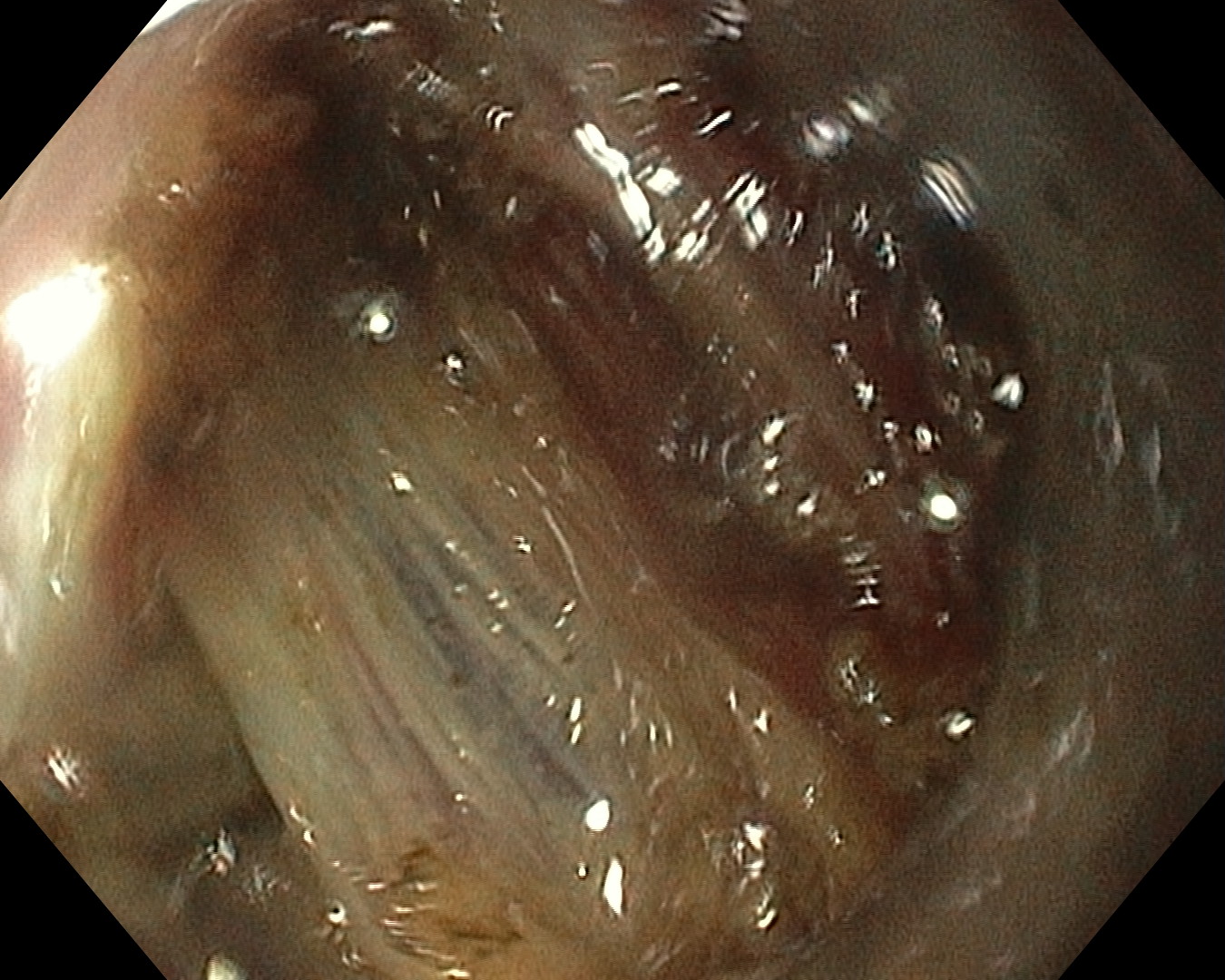
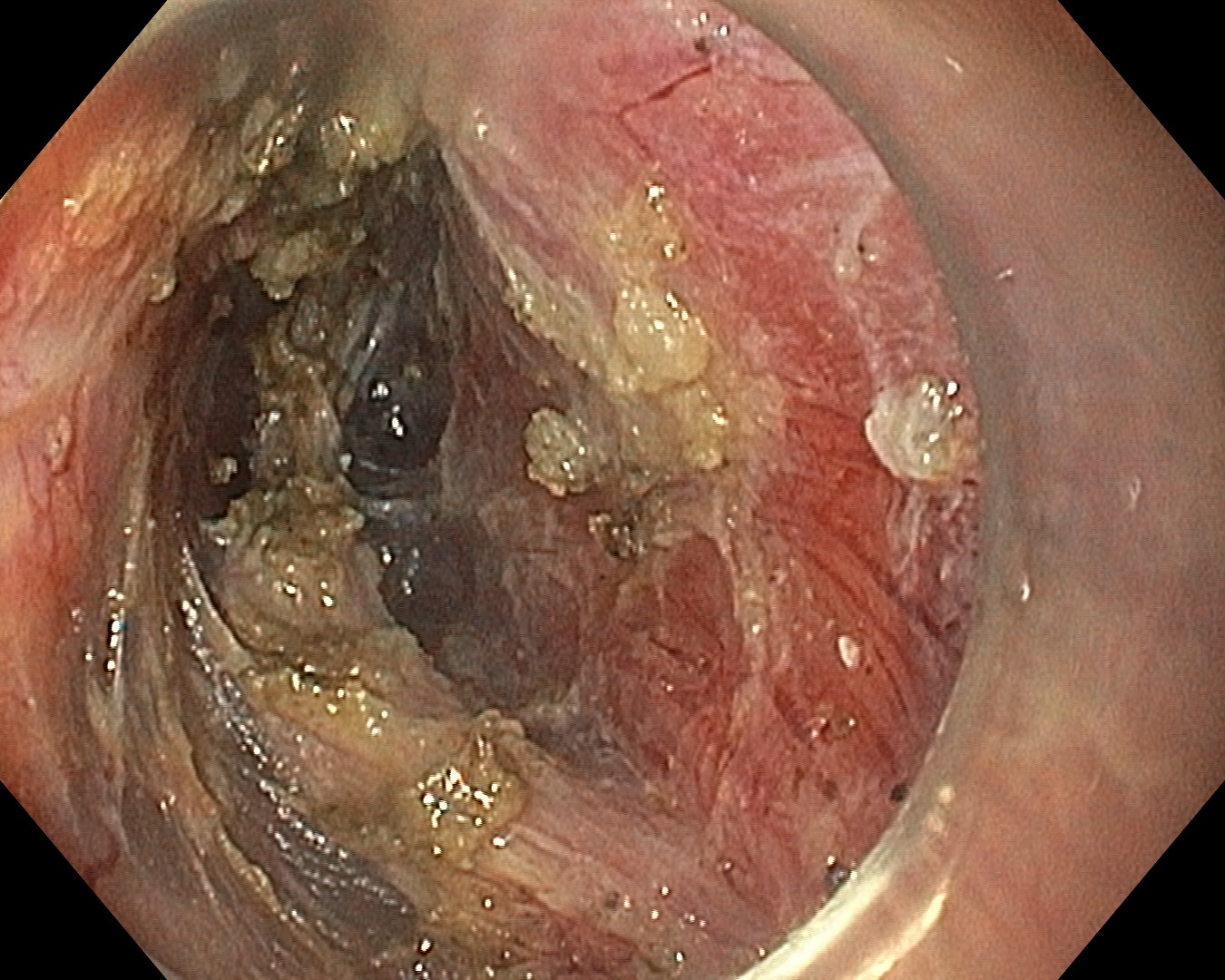
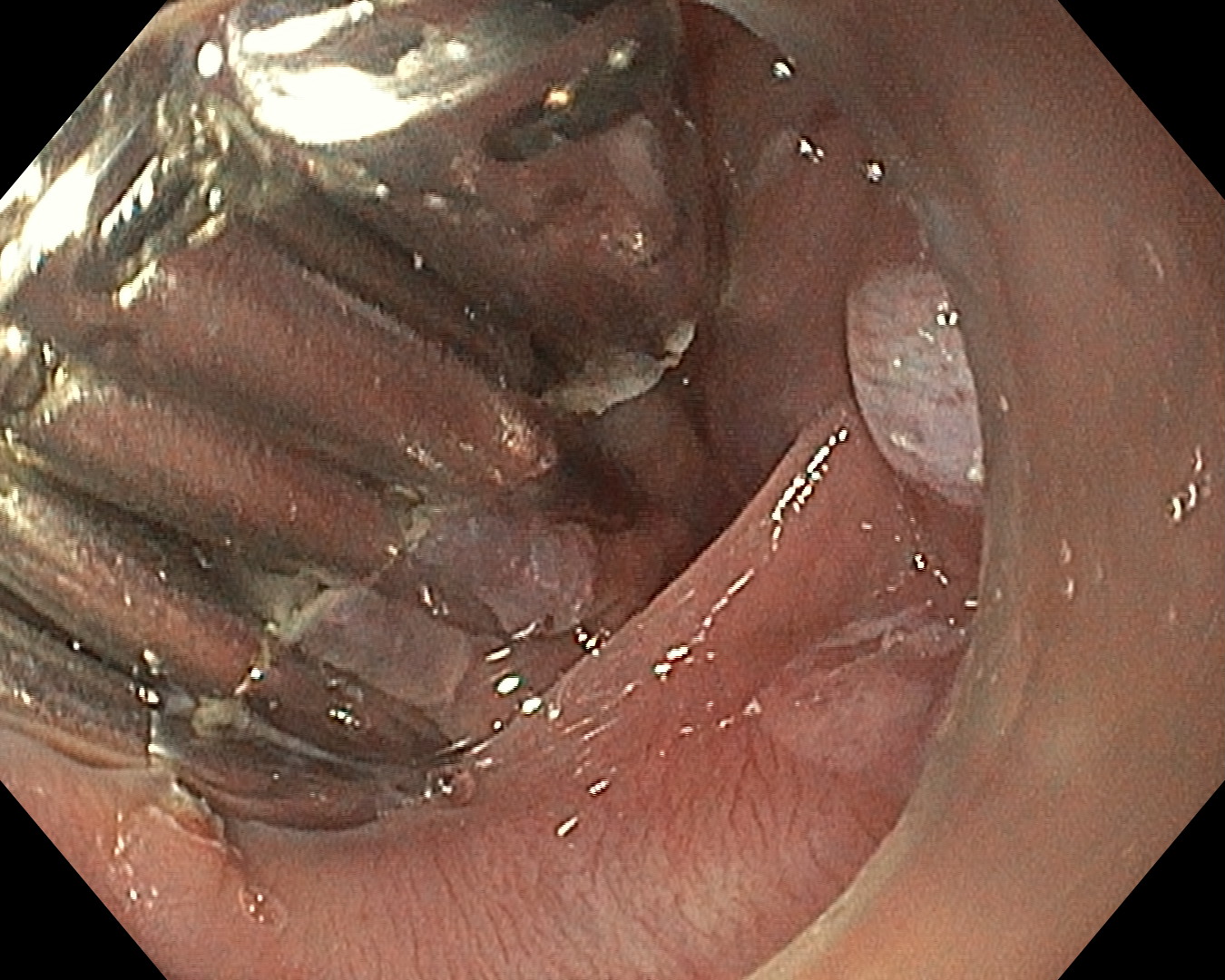
Peroral endoscopic myotomy on Zenker's diverticulum, called Z-POEM, is a third-space technique derived from esophageal POEM, and the materials required are similar to those used in that procedure. It consists of performing a mucosotomy on the septum after creating a submucosal wheal with saline solution or other colloidal substances and subsequent submucosal tunneling on both sides of the septum (diverticular and esophageal). Once the cricopharyngeal muscle is fully exposed, the myotomy is performed, extending up to 2-3 cm distal to the bottom of the diverticulum. The mucosotomy is then closed with clips, and it is recommended to dissect the mucosal flap in large diverticula.
FES offers technical success rates of around 90% and clinical success rates of between 56% and 90%, with recurrence rates of 10-30% and adverse effects of 11%[4]. Z-POEM has been reported to have technical success rates of 90-100%, clinical success rates of around 90%, and recurrence rates of 0-14.7% with complications occurring in 6.7-11% of cases[4]. This latter technique offers advantages over the previous ones as it allows for a more controlled and complete myotomy, reduces the risk of perforation and mediastinitis by preserving the mucosa, and has lower recurrence rates[5].
The most common complications are emphysema and perforation. However, pneumoperitoneum, pneumomediastinum, aspiration pneumonia, fever, and bleeding may also occur[5].
According to the classification proposed by Kaminski et al.[6] the size of the diverticulum could guide the choice of the most appropriate therapeutic strategy. In cases of small diverticula, which are those less than 2 cm in size, because they tend to have a short, thick septum with a shallow diverticulum that compromises maneuverability and prevents or hinders the use of the diverticuloscope, the literature suggests that Z-POEM is usually the preferred option. In diverticula between 2 and 5 cm, which are more common and usually have a septum of intermediate thickness, it is suggested that both therapies, Z-POEM and FES, can be considered valid. In large diverticula (greater than 5 cm), which usually have thin and long septa, it is suggested that Z-POEM be performed with an intentional incision (mucosal resection) of the redundant mucosal flap to reduce the remaining mucosal septum and avoid symptoms after treatment.
The objective of our study was to evaluate the efficacy and safety of Z-POEM as an endoscopic treatment for Zenker's diverticulum.
Materials and methods
This is a single-center retrospective study that includes patients treated with Z-POEM between January 2022 and July 2024, with a mean follow-up of 1 year. Baseline clinical variables, treatment response variables, technical variables, and safety variables were analyzed.
Results
A total of 8 patients with Zenker's diverticulum treated with Z-POEM were included, with a mean age of 69.35 ± 10.11 years, 62.5% of whom were women. The mean size of the diverticulum was 3.62 ± 1.4 cm. Seven patients had never received treatment, and one had previously been treated with FES with Ligasure and SB-Knife.
All procedures were performed under orotracheal intubation and with prophylactic antibiotic therapy in the operating room and a short course after the procedure.
With regard to the technique, a Hybrid-knife® type T scalpel was used in all cases except one, which was type I. The diathermy source used was VIO3 (ERBE), with Endocut I 2-2 and Precise Sect 4-4.5 modes. The myotomy extended 2 to 3 cm below the diverticular base, and the mucosotomy was closed with 11 mm hemoclips in all cases, requiring an average of 5 clips.
As immediate complications, there was one case of bleeding during the esophageal submucosal tunnel, which was resolved endoscopically with hemostatic forceps. A case of self-limiting dysphonia was described as a late complication.
Technical success was 100%. Clinical success, assessed as the complete disappearance of symptoms, was 87.5% at 3 months, 75% at 6 months, and 42.86% at 12 months. Three patients required endoscopic reintervention, one of them with a new Z-POEM and the other two with SB-Knife; one of the patients treated with SB-Knife and the other treated with the second Z-POEM responded clinically.

Discussion
The results obtained in our study show a technical success rate of 100%, which is consistent with the high effectiveness of the Z-POEM technique reported in the literature. However, the clinical success observed in our series was lower than that described in previous studies, with complete resolution of symptoms in 87.5% of patients at three months, but with a decrease in this percentage at six and twelve months (75% and 42.86%, respectively). It is important to note that the definition of clinical success varies considerably between different studies. In many studies, clinical success is measured using dysphagia scales and assessing symptom improvement, whereas in our research we defined it as the total absence of symptoms, which is a stricter criterion and may therefore have influenced the results observed.
In addition, the small sample size of our study may have influenced the generalizability of the results. Although clinical efficacy in terms of complete resolution of symptoms is slightly lower than reported in other studies, the Z-POEM technique proved to be safe and effective for the treatment of Zenker's diverticulum, with only one case of bleeding during the procedure and one case of self-limiting dysphonia as a late complication.
According to current literature, Z-POEM is described as a more controlled, less invasive option with results that are not inferior to FES, positioning it as an excellent alternative for the treatment of this pathology. Although ZD is rare, when it presents symptoms, it can significantly affect patients' quality of life, highlighting the importance of effective and safe techniques such as Z-POEM.
In our sample, less than 50% of patients required endoscopic reintervention, suggesting that the technique, although effective, does not guarantee a permanent solution in all cases. This need for reintervention could be related to the nature of the pathology, the variability in the size and characteristics of the diverticulum, factors that do not always allow for a definitive solution in a single procedure. Currently, our group has slightly modified the technique, performing longer tunneling and myotomies, as well as final dissection of the mucosal flap, obtaining more satisfactory results. However, further studies with a larger sample size and long-term follow-up are required to evaluate the durability of the results and determine predictive factors that may influence the success of the treatment.